Looking Again
Have We Internalized Charlie Kirk’s Imagination for the World?

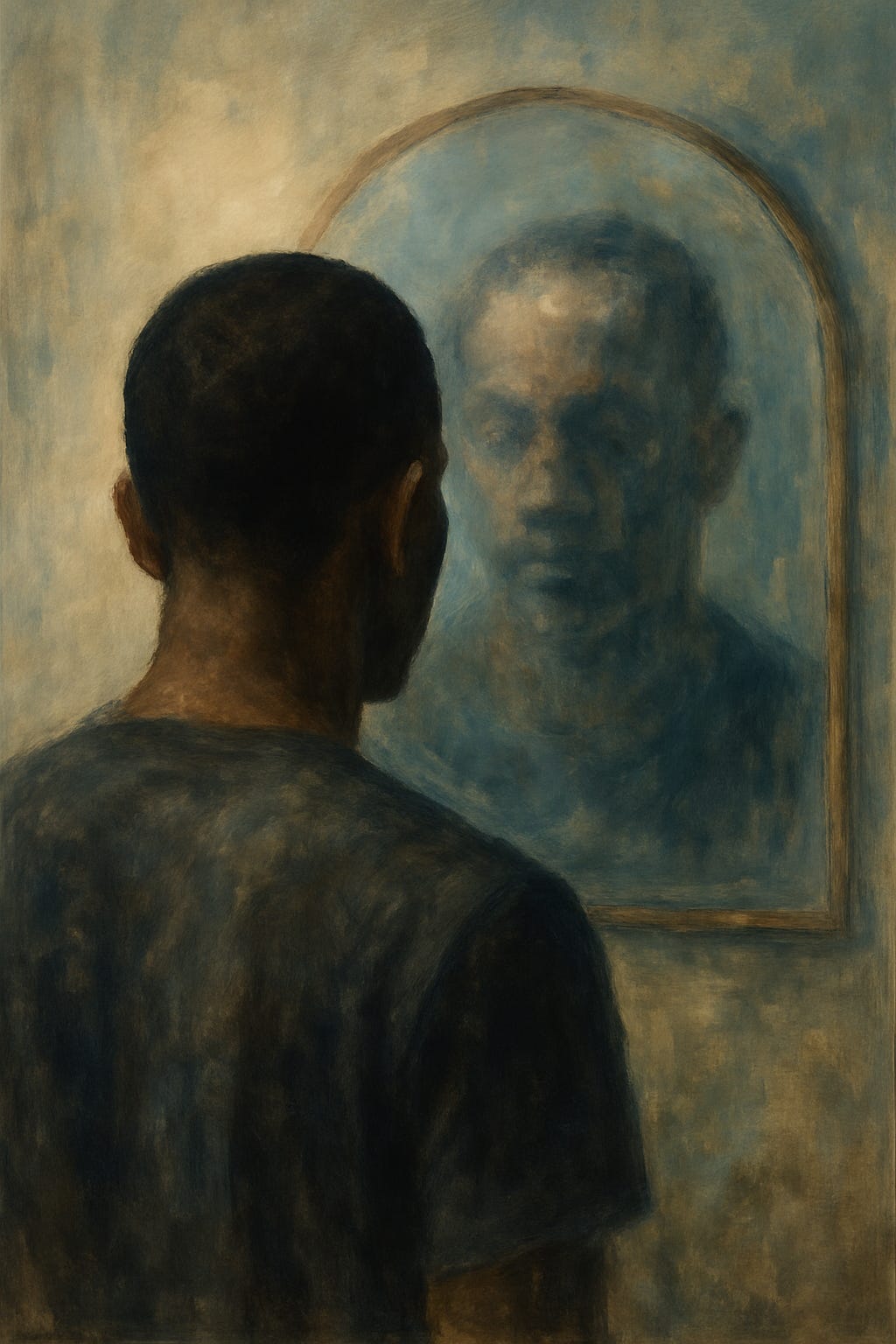
Looking Again
On September 11th, 2025, Charlie Kirk died. For many, his legacy is simple: Christian Nationalism, racism, and the inability to imagine a flourishing future for BIPOC folks.
It is kind of tempting to stop here though: To critique his beliefs, maybe even debate (or block) friends on social media (who believe him to be a martyr), and move on. But the practice of Sacred Curiosity asks more of us: to look again, and to notice how these same scripts can seep into our own lives, bodies, and imaginations.
Look Again: At Ourselves
This just happened to me the other day. The weather was gorgeous in NYC, so I decided to take a walk on the Hudson River Esplanade. I found a bench in a shaded area behind a tree. When I sat down I noticed the man next to me clutched his bag.
I paused. I right away found myself not wanting to make sudden movements. I got angry. I told myself…and almost him, “No one wants your cheap-ass bag any way.”
I was disappointed. I recognize that instinct to limit my movements, which made me angrier. I also realized how I can internalize this script: a black man needs to move in such a manner so others don’t feel threatened.
To look again reflectively is an under-recognized part of the struggle. But looking back, I’m not alone—there are others who struggled for liberation who provide a pattern to trace back from. And I find that even the real heroes struggled.
Archbishop Desmond Tutu once shared a story about a flight from Nigeria to Johannesburg. Both the pilot and co-pilot were Black. The plane all of a sudden hits turbulence, and for a second he had wondered about the competence of the pilots. In that moment, he realized that Apartheid had done more internal damage than he realized.
This is the internal work. The deeper work of noticing how those scripts live in our own bodies, churches, and even our commentary in social media.
Looking Again as Holy Work
To look again is to recognize how distorted messages about race, belonging, and worth shape us. Looking again is not about shame, but freedom. Naming what has been erased or internalized so we can reaffirm our dignity and imagination.
As a practice we can ask: What messages about worth or belonging have we absorbed? How do those messages shape our leadership, our personhood, our imagination of God?
Looking again is not about fixing ourselves It’s about holding space for recognition, while at times lingering in our discomfort. At least long enough for the Spirit to awaken us to a liberated imagination rooted in belovedness and flourishing
.